-02.png)

Understanding Retirement Annuity Options for Retirement Success
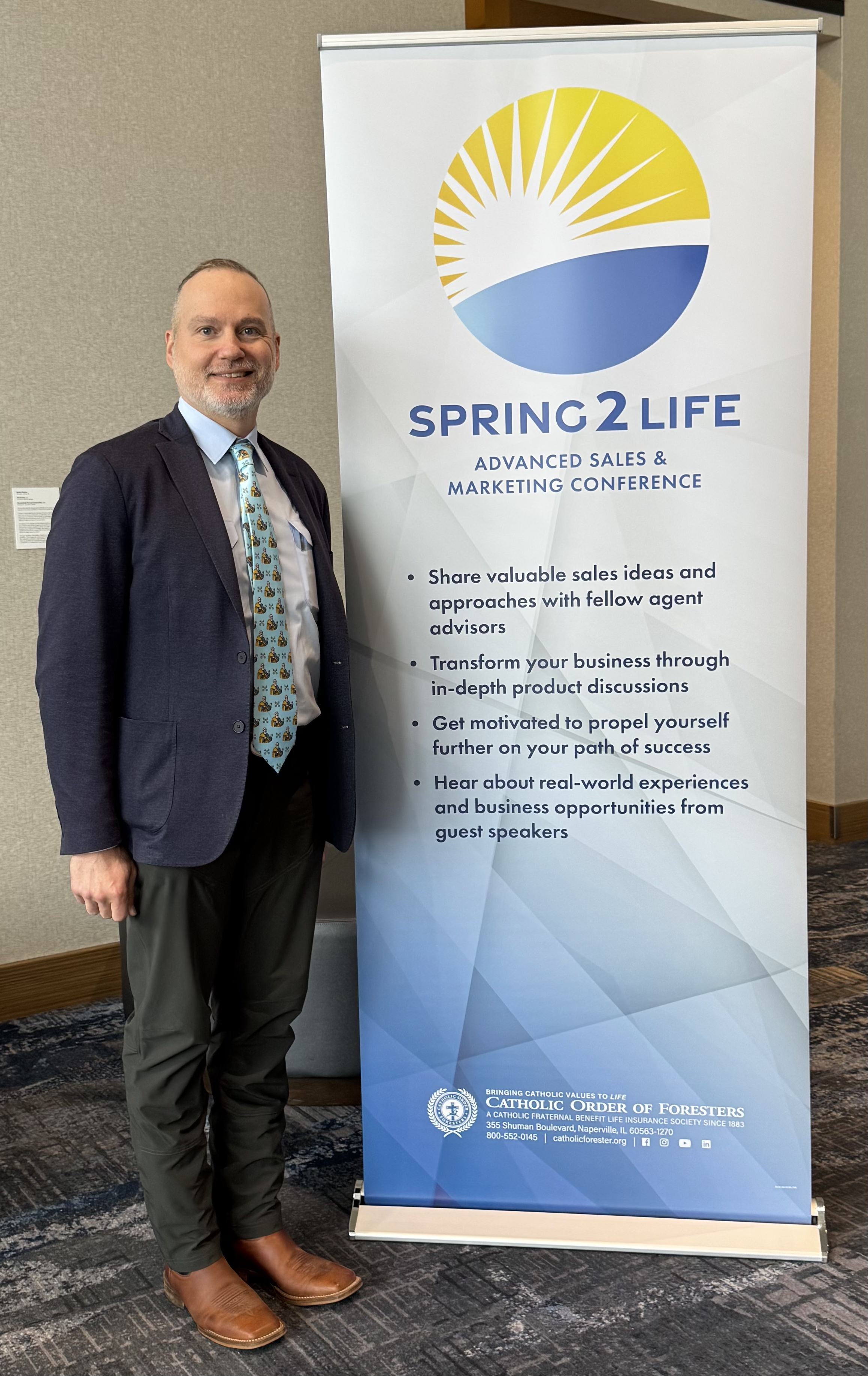
When I first started thinking seriously about retirement, the word "annuity" popped up more times than I could count. It sounded complicated and, honestly, a bit intimidating. But as I dug deeper, I realized annuities could be a powerful tool to help secure a steady income during retirement. If you’re like me, wanting to make smart, faith-aligned financial choices, understanding annuities is a must. So, let’s break it down together in a friendly, straightforward way.
What Exactly Are Retirement Annuity Options?
Retirement annuity options might sound like a mouthful, but they’re really just different ways to use annuities to create a reliable income stream after you stop working. Think of an annuity as a contract between you and an insurance company. You pay them money now (either as a lump sum or over time), and in return, they promise to pay you back regularly during retirement.
There are several types of annuities, and each has its own perks and quirks:
Fixed Annuities: These offer a guaranteed payout, which means you know exactly how much money you’ll get and when. It’s like having a paycheck for life.
Variable Annuities: These depend on the performance of investments you choose. The payout can go up or down, so there’s more risk but also more potential reward.
Indexed Annuities: These are tied to a market index, like the S&P 500. They offer some growth potential but with protection against losses.
Immediate Annuities: You start receiving payments right away, which is great if you’re already retired or close to it.
Deferred Annuities: Payments start at a future date, allowing your money to grow tax-deferred until then.
Each option fits different needs and comfort levels. For example, if you want peace of mind and steady income, a fixed annuity might be your best bet. If you’re willing to take some risk for higher returns, a variable or indexed annuity could work.

Exploring Retirement Annuity Options That Align With Your Values
Choosing the right retirement annuity options isn’t just about numbers. For many of us, it’s also about aligning our financial decisions with our values. If you’re looking for options that respect ethical or faith-based principles, you’ll want to consider how your money is invested and managed.
Some annuities offer socially responsible investment choices, which avoid companies involved in activities that conflict with Catholic values, such as gambling, alcohol, or weapons manufacturing. This way, you can grow your retirement savings while staying true to your beliefs.
Here are a few tips to keep in mind when exploring annuities with a values-based approach:
Ask about investment options: Make sure the annuity provider offers funds that align with your ethical standards.
Look for transparency: You want to know exactly where your money is going.
Consider the company’s reputation: Choose providers known for integrity and customer service.
Think about tax implications: Many annuities grow tax-deferred, which can be a smart way to minimize taxes in retirement.
By focusing on these factors, you can find retirement annuity options that not only support your financial goals but also honor your faith and values.
Does Annuity Income Affect SSDI?
This is a question I’ve heard a lot, especially from friends and family who rely on Social Security Disability Insurance (SSDI). The short answer is: it depends.
SSDI benefits are designed to help people with disabilities who cannot work. The Social Security Administration (SSA) has strict rules about income and resources. If you receive income from an annuity, it could potentially affect your SSDI eligibility or benefit amount, depending on how the annuity is structured.
Here’s what you need to know:
If the annuity is considered a resource: The SSA looks at your total resources, and if your annuity is accessible as a lump sum, it might count against you.
If the annuity pays out as income: Regular payments might be counted as income, which could reduce your SSDI benefits.
Special needs trusts and annuities: Sometimes, annuities can be set up in a way that doesn’t affect SSDI, but this requires careful planning and legal advice.
If you or someone you know is on SSDI and considering an annuity, it’s crucial to consult with a financial advisor or attorney who understands these rules. They can help structure your annuity to protect your benefits while still providing retirement income.
How to Use an Annuity for Retirement Income Wisely
Now, let’s talk about how to make the most of an annuity for retirement income. The goal is to create a steady, reliable cash flow that covers your living expenses and gives you peace of mind.
Here are some practical steps I recommend:
Calculate your retirement needs: Know how much money you’ll need each month to cover essentials and a little extra for fun or emergencies.
Decide when to start payments: Immediate annuities start paying right away, while deferred annuities let your money grow first.
Consider inflation protection: Some annuities offer cost-of-living adjustments to help your income keep pace with rising prices.
Balance risk and reward: If you want safety, fixed annuities are great. If you want growth potential, consider variable or indexed options.
Review fees carefully: Annuities can have fees that eat into your returns, so understand what you’re paying for.
Coordinate with other income sources: Think about how your annuity fits with Social Security, pensions, and other savings.
By following these steps, you can build a retirement income plan that feels secure and aligned with your values.

Building a Retirement Plan That Reflects Your Faith and Financial Goals
At the end of the day, retirement planning is deeply personal. It’s about more than just money - it’s about living your values and ensuring your future is secure. Annuities can be a key part of that plan, especially when chosen thoughtfully.
If you want to honor your Catholic values while preparing for retirement, look for advisors who understand your priorities. They can help you navigate the complex world of annuities and other financial products with integrity and care.
Remember, the best retirement plan is one that fits your unique situation, offers peace of mind, and supports the life you want to live. Take your time, ask questions, and don’t hesitate to seek guidance. Your future self will thank you!
I hope this gives you a clearer picture of how retirement annuity options can work for you. If you want to explore more or have specific questions, reaching out to a trusted advisor is a great next step. Here’s to a retirement that’s both financially sound and true to your values!



Comments